
Introduction
A whole abdomen ultrasound is a simple and safe test. Doctors use it to look at organs inside your belly. This scan helps find problems early. Many people have questions about the abdominal ultrasound procedure. In this blog, you will learn what to expect, how to prepare, and why this test is helpful.
What Is a Whole Abdomen Ultrasound?
A whole abdomen ultrasound is a non-invasive imaging test. It uses sound waves to create pictures of organs in your abdomen. These organs include the liver, kidneys, gallbladder, pancreas, spleen, and bladder. Sometimes, doctors also check blood vessels. Because the test does not use radiation, it is very safe.
Common Reasons for the Procedure
Doctors may suggest a whole abdomen ultrasound for many reasons. For example, you might have:
Additionally, some people get this scan as part of a routine health check.
How to Prepare for a Whole Abdomen Ultrasound
Proper ultrasound scan preparation helps get clear images. Your doctor will give you instructions. Usually, you should:
However, always follow your doctor’s advice, as instructions may vary.
What Happens During the Test?
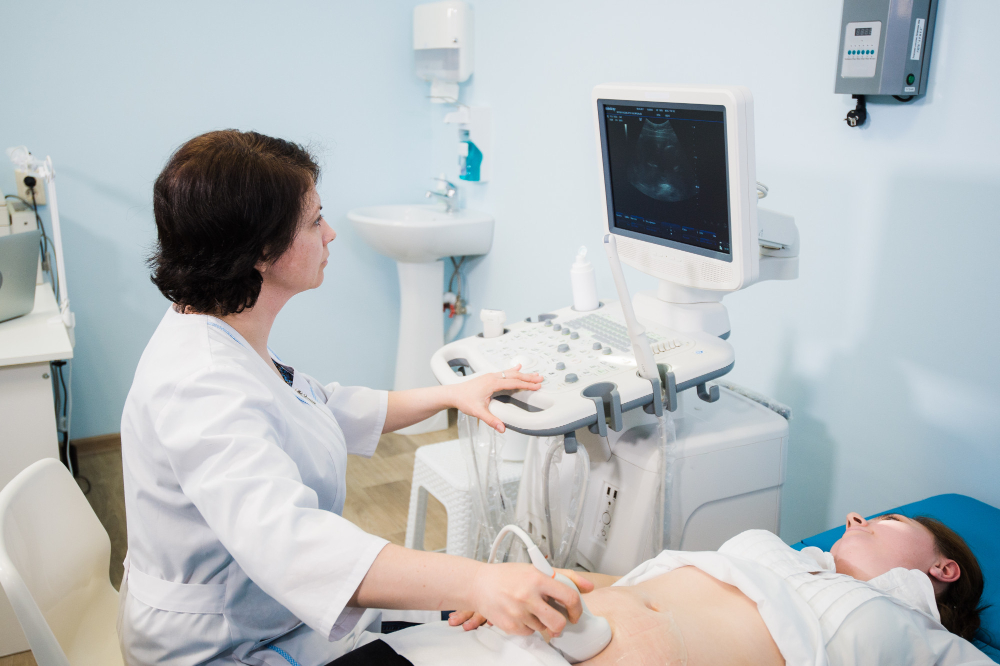
First, you will lie down on a bed. Next, a gel is applied to your belly. This gel helps the sound waves travel better. Then, the technician moves a small device, called a probe, over your skin. You may feel slight pressure, but it should not hurt. The whole test usually takes 20 to 30 minutes. After the scan, you can wipe off the gel and go home.
Benefits and Limitations
There are many benefits to a whole abdomen ultrasound:
However, there are some limitations. For instance, the scan may not show very small growths. Also, gas in the intestines can block the view. In some cases, your doctor may suggest other tests for more details.
Safety and Risks
Whole abdomen ultrasound is very safe. Because it uses sound waves, there is no risk from radiation. Most people do not have any side effects. Rarely, some may feel a little cold from the gel. Overall, it is one of the safest imaging tests available. The World Health Organization (WHO) and other health groups support its use.
What Do the Results Mean?
After the scan, a radiologist will look at the images. They check for signs of disease or injury. Sometimes, the results are normal. Other times, the scan may show cysts, stones, or swelling. Your doctor will explain what the results mean for you. If needed, they may suggest more tests or treatment.
Frequently Asked Questions
When to Consult a Doctor
If you have belly pain, swelling, or other symptoms, talk to your doctor. Even if your scan is normal, follow your doctor’s advice. Sometimes, more tests are needed for a full diagnosis.
Conclusion
In summary, a whole abdomen ultrasound is a safe and useful test. It helps doctors find many common problems quickly. If you have questions or need this scan, consult a radiologist at Elite Diagnostics for personalized advice about whole abdomen ultrasound.