
What is the Rheumatoid Factor Test?
The Rheumatoid Factor Test is a simple blood test. It checks for rheumatoid factor (RF), a protein made by your immune system. Doctors often use this test to help diagnose rheumatoid arthritis. However, it can also help find other health problems. The RF blood test is common in many clinics and hospitals.
Why is the Rheumatoid Factor Test Done?
Doctors order the Rheumatoid Factor Test for several reasons. First, it helps diagnose rheumatoid arthritis, a disease that causes joint pain and swelling. Second, it can help find other autoimmune diseases. Sometimes, it is used to check for infections or other health issues. Because the test is simple, it is often one of the first steps in finding the cause of joint pain.
Symptoms or Conditions That May Prompt the Test
Many people get the RF blood test when they have certain symptoms. For example, you may need the test if you have:
Additionally, your doctor may suggest the test if you have a family history of autoimmune diseases. Sometimes, the test is done to check for other conditions, such as lupus or certain infections.
How the Test is Performed (Procedure)
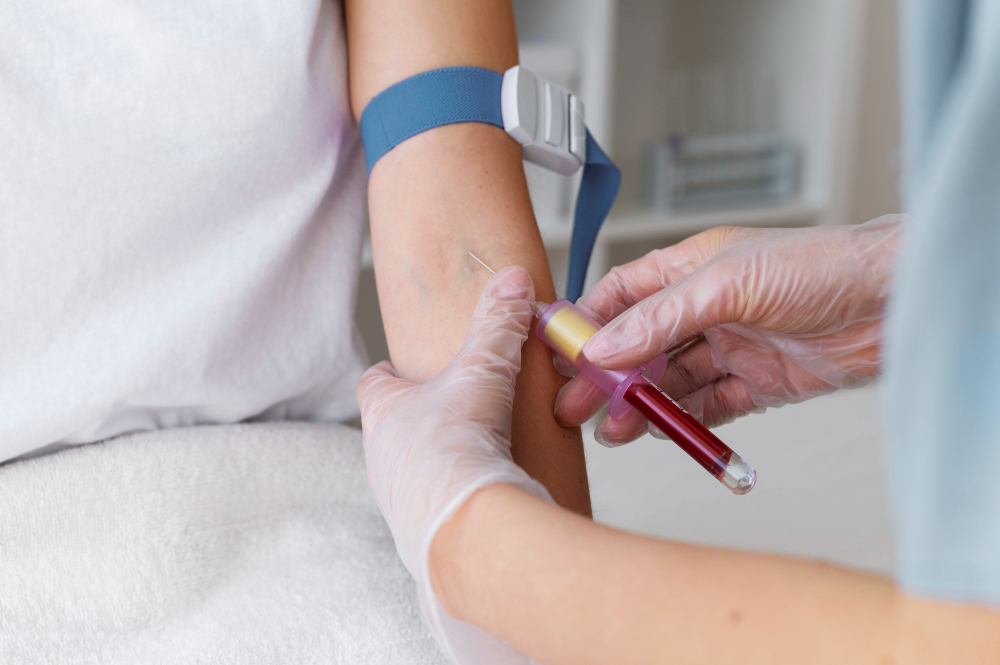
The Rheumatoid Factor Test is quick and safe. First, a healthcare worker cleans your arm with alcohol. Next, they use a small needle to take a blood sample from a vein. The process usually takes just a few minutes. Afterward, a small bandage is placed on your arm. Most people feel only a slight pinch during the test. Because the test is simple, you can return to your normal activities right away.
How to Prepare for the Test
Usually, you do not need to do anything special before the RF blood test. You can eat and drink as usual. However, let your doctor know about any medicines you take. Sometimes, certain drugs can affect your test results. If you have questions, ask your healthcare provider before the test. This way, you can feel prepared and relaxed.
Understanding the Results and What They Mean
After the test, your doctor will explain the results. Here is what you should know:
Because the meaning of rheumatoid factor results can vary, your doctor will look at your symptoms and other tests. Therefore, always discuss your results with a healthcare professional.
Risks and Considerations
The RF blood test is very safe. However, you may have mild side effects, such as:
Most people have no problems after the test. If you notice redness, swelling, or pain that does not go away, contact your doctor.
Frequently Asked Questions (FAQs)
When to Consult a Doctor
If you have joint pain, swelling, or other symptoms, talk to your doctor. Early testing can help find the cause and start treatment sooner. Even if your test is normal, your doctor may suggest more tests if your symptoms continue. Remember, only a healthcare professional can explain what your results mean for you.
Consult a healthcare professional at Elite Diagnostics for personalized advice about the Rheumatoid Factor Test.