
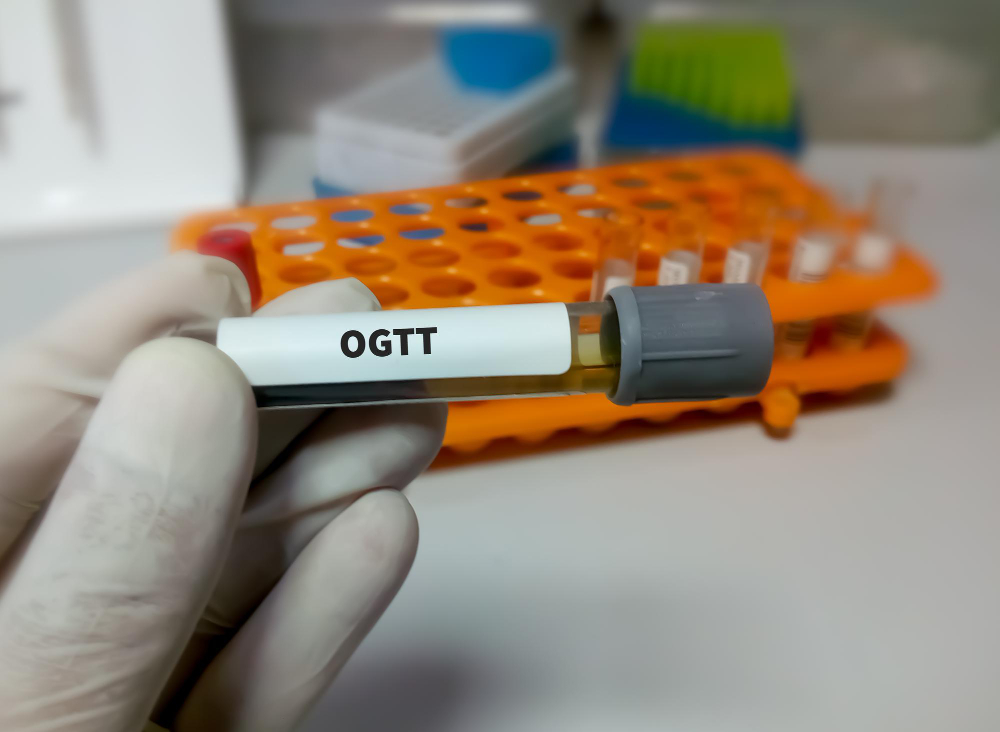
What Is an Oral Glucose Tolerance Test (OGTT)?
The oral glucose tolerance test, or OGTT, is a common way to check how your body handles sugar. Doctors often use this test to help diagnose diabetes or prediabetes. During the OGTT, you drink a sweet liquid, and your blood sugar is measured over time. Because it shows how your body processes glucose, the OGTT is very helpful for finding problems early.
Why Is OGTT Performed?
Doctors use the oral glucose tolerance test for several reasons. Most often, it helps check for:
Sometimes, your doctor may suggest the OGTT if you have risk factors for diabetes. For example, if you are overweight, have a family history of diabetes, or had high blood sugar before, this test can be useful. In addition, pregnant women often get the OGTT between 24 and 28 weeks to check for gestational diabetes.
How to Prepare for the OGTT
Proper preparation helps ensure accurate OGTT results. Here are some important steps:
Because fasting is required, schedule your OGTT for early in the morning if possible. This makes it easier to go without food overnight.
Step-by-Step OGTT Procedure
Knowing what to expect can help you feel more comfortable. The OGTT usually follows these steps:
For pregnant women, the process may be slightly different. Sometimes, only one blood draw is needed after drinking the glucose solution.
What Do OGTT Results Mean?
OGTT results show how well your body manages sugar. Here is what the numbers usually mean (based on CDC and WHO guidelines):
For gestational diabetes, your doctor may use different cut-off values. If your results are abnormal, your doctor will explain what they mean and discuss next steps. Sometimes, you may need more tests to confirm the diagnosis.
Risks and Safety Considerations
The oral glucose tolerance test is safe for most people. However, some may feel mild side effects. For example, you might feel dizzy, nauseous, or tired after drinking the sweet liquid. Rarely, some people may faint when blood is drawn. If you feel unwell during the test, let the staff know right away. Overall, serious problems are very rare.
Frequently Asked Questions (FAQs)
Tips for a Smooth OGTT Experience
To make your oral glucose tolerance test easier, consider these tips:
Because you may feel tired after the test, avoid planning busy activities right afterward.
Conclusion
The oral glucose tolerance test is a helpful tool for checking how your body handles sugar. It can help diagnose diabetes, prediabetes, or gestational diabetes early. With the right preparation, the OGTT is safe and simple. If you have questions or concerns, consult a healthcare professional at Elite Diagnostics to learn if an OGTT is right for you.