
What is HbA1c?
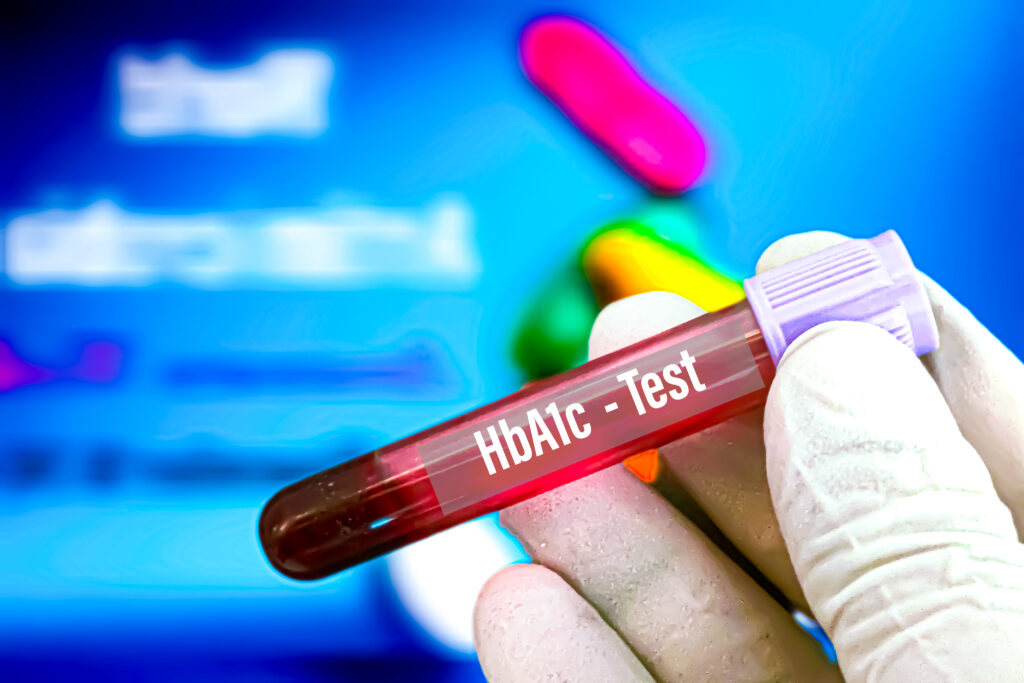
HbA1c is a blood test that shows your average blood sugar level over the past three months. It is also called the hemoglobin A1c test. When sugar sticks to your red blood cells, it forms HbA1c. Because red blood cells live for about three months, this test gives a long-term view of your blood sugar control. Doctors often use the HbA1c test to check for diabetes or to monitor how well diabetes is managed.
Why is HbA1c Important?
First, knowing your HbA1c level helps you and your doctor understand your risk for diabetes. It also helps track how well your blood sugar is managed over time. Unlike daily finger-prick tests, HbA1c does not change quickly. Instead, it shows your overall blood sugar control. Because of this, it is a key tool for long-term diabetes monitoring. According to the CDC, keeping your HbA1c in a healthy range can lower your risk of serious health problems.
How is HbA1c Measured?
To measure HbA1c, a small blood sample is taken from your arm. The sample is sent to a lab, where special machines check the amount of sugar attached to your hemoglobin. While radiology does not measure HbA1c directly, it can play a role in your care. For example, if your HbA1c is high, doctors may order imaging tests, like X-rays or ultrasounds, to check for diabetes-related complications. These might include problems with your heart, kidneys, or blood vessels. So, while the HbA1c test is a lab test, radiology can help spot problems linked to abnormal HbA1c levels.
Normal vs. Abnormal HbA1c Levels
Understanding your HbA1c results is important. Here is what the numbers mean:
However, your doctor may set different goals based on your age or health. Always discuss your results with a healthcare provider.
Causes of High or Low HbA1c
Many things can affect your HbA1c level. For example, high HbA1c often means your blood sugar has been too high for a while. This can happen if you eat too many sugary foods, do not exercise, or miss your diabetes medicine. On the other hand, low HbA1c may mean your blood sugar has been too low. This can happen if you take too much diabetes medicine or skip meals. Rare blood problems can also change your HbA1c results.
Health Risks Associated with Abnormal HbA1c
Abnormal HbA1c levels can lead to serious health risks. For instance, high HbA1c increases your risk for:
According to the World Health Organization, keeping HbA1c in a healthy range can help prevent these problems. Sometimes, doctors use radiology tests to find these issues early.
How to Manage and Lower HbA1c
Managing your HbA1c is possible with healthy habits. Here are some tips:
With these steps, you can help keep your HbA1c in a safe range.
Prevention Tips for Healthy HbA1c Levels
Even if you do not have diabetes, you can take steps to keep your HbA1c healthy. For example:
By following these tips, you can lower your risk of high HbA1c and related health problems.
In summary, HbA1c is a key marker for blood sugar control. It helps doctors spot problems early and guide your care. If you have questions about your HbA1c or need help managing it, consult at Elite Diagnostics for personalized advice about your HbA1c levels.