
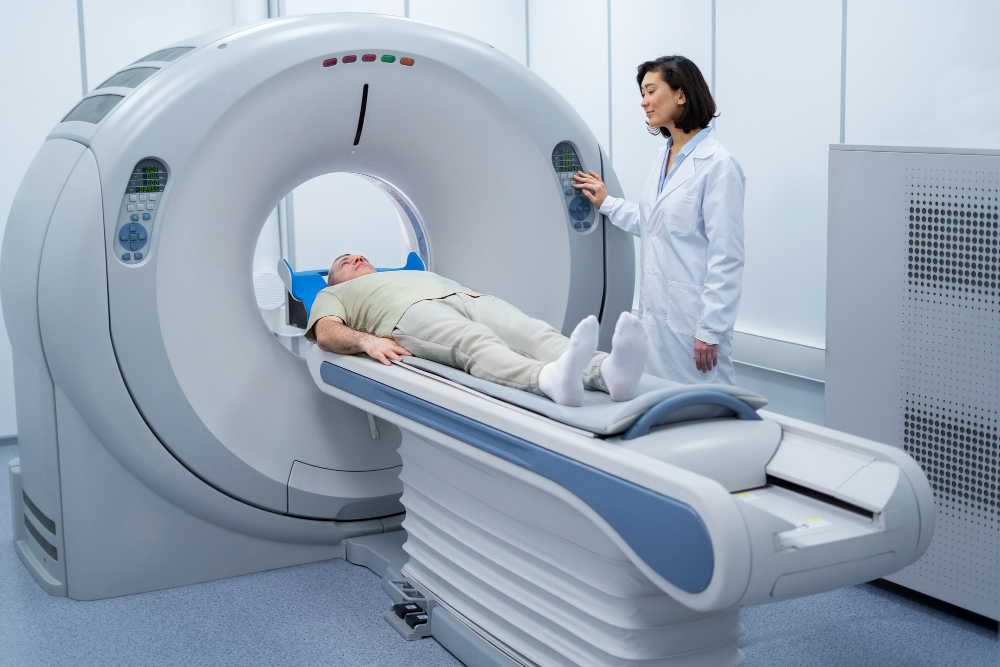
CT KUB is a special scan that looks at your kidneys, ureters, and bladder. Doctors often use CT KUB to find out what is causing pain or other problems in your urinary system. Because it gives clear pictures, CT KUB helps doctors make the right diagnosis. In this guide, you will learn what CT KUB is, why it is important, and what you can expect during the test.
What is CT KUB?
CT KUB stands for Computed Tomography of the Kidneys, Ureters, and Bladder. It is a type of X-ray scan. However, it uses a computer to create detailed images. These images show the inside of your lower belly and pelvis. CT KUB is often called a CT KUB scan or CT KUB test. It helps doctors see stones, infections, or other problems in your urinary tract.
Why is CT KUB Performed?
Doctors may suggest a CT KUB for several reasons. For example, you may have pain in your side or lower back. Sometimes, blood in your urine can be a reason. CT KUB helps find the cause quickly. Common reasons for a CT KUB scan include:
Because it is fast and accurate, CT KUB is often the first test doctors choose.
How is CT KUB Done? (Procedure)
The CT KUB scan procedure is simple and does not take long. First, you will be asked to lie down on a table. The table moves through a large, doughnut-shaped machine. This machine takes many pictures from different angles. Most of the time, you do not need any injections or dyes. However, sometimes a contrast dye may be used to get clearer images. The scan usually takes about 10 to 15 minutes. During the test, you need to stay still. The staff may ask you to hold your breath for a few seconds. After the scan, you can go home right away.
Preparation for CT KUB
Preparing for a CT KUB scan is easy. In most cases, you do not need to do much. Still, your doctor will give you instructions. Here are some common tips for CT KUB test preparation:
Because each case is different, always follow your doctor’s advice.
Risks and Safety of CT KUB
CT KUB is generally safe. However, like all X-ray tests, it uses a small amount of radiation. For most people, the benefits are much greater than the risks. Some things to keep in mind include:
Because safety is important, always tell your doctor about any health concerns. The World Health Organization and other health groups say CT scans are safe when used properly.
What Do CT KUB Results Mean?
After your CT KUB scan, a doctor called a radiologist will look at the images. The results can show:
Because the scan gives clear pictures, your doctor can explain what the results mean for you. Sometimes, you may need more tests or treatment based on the findings.
Frequently Asked Questions about CT KUB
In summary, CT KUB is a safe and helpful test for many urinary problems. If you have questions or concerns, consult a healthcare provider for personalized advice about CT KUB.