
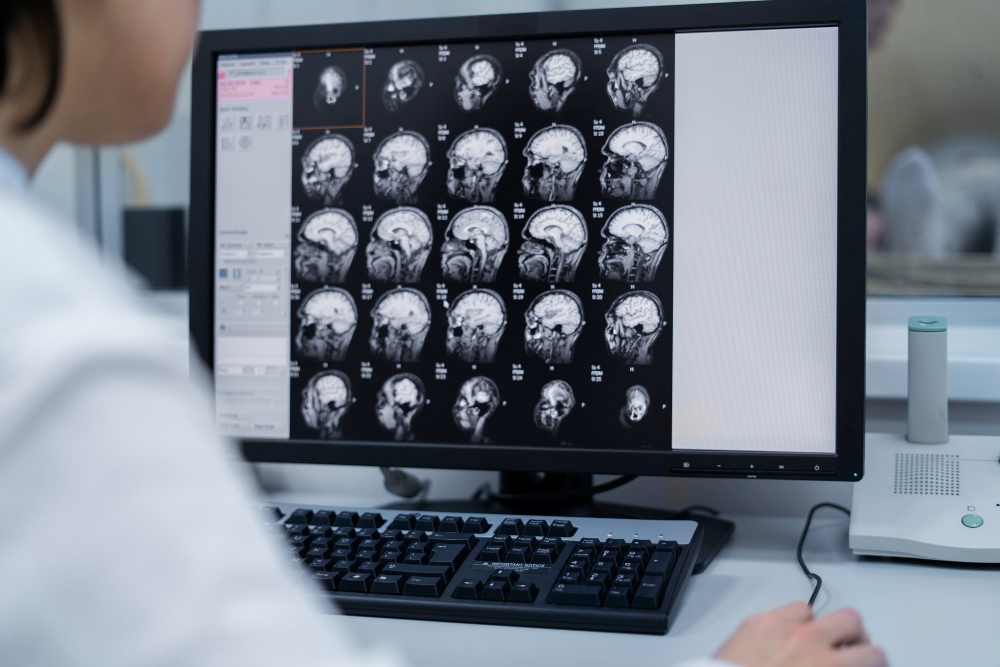
What Is a CT Brain Scan?
A CT Brain scan, also called a brain CT or head CT, is a special X-ray test. It takes detailed pictures of your brain. Doctors use this brain imaging test to look for problems inside your head. For example, a CT Brain scan can help find bleeding, injury, or tumors. This scan is quick and painless. Many people have a CT scan procedure when they have sudden headaches or after an accident.
Why Is a CT Brain Scan Done?
Doctors order a CT Brain scan for many reasons. Sometimes, you may have symptoms that need a closer look. Common reasons include:
Often, your doctor will explain why a brain CT scan is needed. If you have questions, you should always ask.
How Does a CT Brain Scan Work?
A CT Brain scan uses X-rays and a computer to create clear images of your brain. First, you lie on a table. Then, the table moves through a large, donut-shaped machine. The machine takes many pictures from different angles. After that, a computer puts these images together. As a result, your doctor can see detailed pictures of your brain. This helps find problems that may not show up on regular X-rays.
What to Expect Before, During, and After the Procedure
Before the CT Brain Scan
Usually, you do not need to do much to get ready. However, your doctor may ask you to remove jewelry or metal objects. Sometimes, you may need to change into a hospital gown. If your scan needs a special dye (contrast), you may be told not to eat for a few hours.
During the CT Brain Scan
During the scan, you will lie still on a table. The table slides into the CT machine. You may hear buzzing or clicking sounds. The scan usually takes less than 15 minutes. If you need contrast dye, it may be given through a small needle in your arm. This dye helps show certain areas more clearly.
After the CT Brain Scan
After the scan, you can usually go home right away. If you had contrast dye, drink plenty of water to help flush it out. Most people feel fine after the test. If you feel unwell, let your doctor know.
Risks and Safety Considerations
CT Brain scans are safe for most people. But, like all X-rays, they use a small amount of radiation. The risk is very low, but doctors only order scans when needed. If you are pregnant or think you might be, tell your doctor. Also, some people may have an allergy to the contrast dye. Signs of an allergy include rash, itching, or trouble breathing. If you have kidney problems, let your doctor know before the scan.
How to Prepare for a CT Brain Scan
Preparing for a CT Brain scan is simple. Here are some tips:
Following these steps can help your scan go smoothly.
Understanding Results and Next Steps
After your CT Brain scan, a doctor who specializes in reading scans (radiologist) will look at your images. Then, your doctor will explain the results to you. Sometimes, you may need more tests or treatment. If your scan is normal, your doctor may look for other causes of your symptoms. Always ask your doctor if you have questions about your results.
Frequently Asked Questions (FAQ)
Prevention and Lifestyle Guidance
While a CT Brain scan helps find problems, it does not prevent them. However, you can protect your brain by:
These steps can lower your risk of head injuries and some brain problems.
Consult a healthcare professional for personalized advice about CT Brain scans.