
CT Brain: What It Is, How It Works, and What to Expect
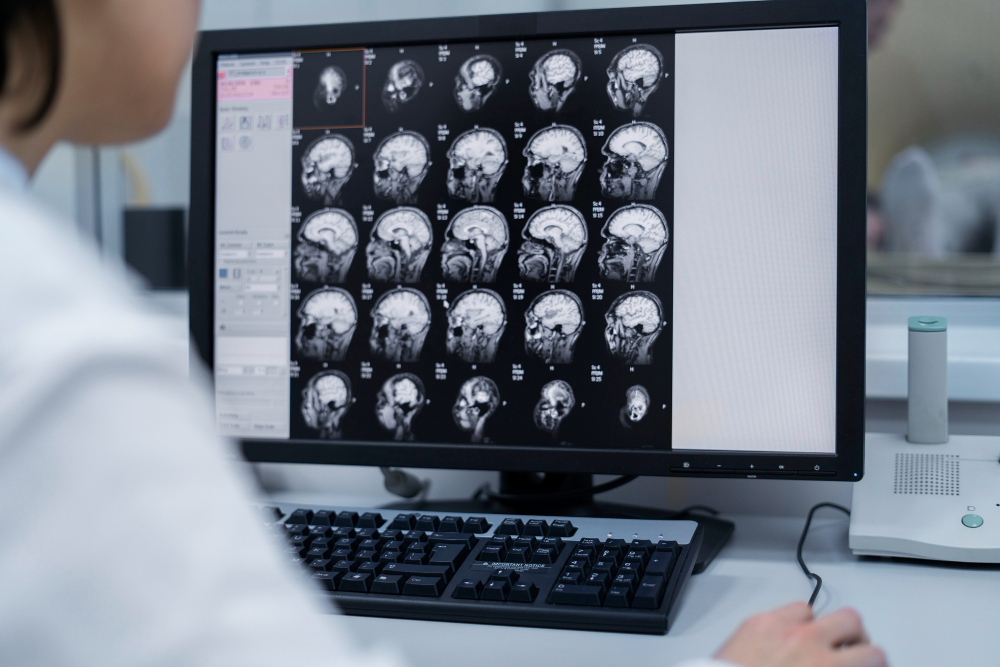
What Is a CT Brain Scan? A CT Brain scan, also called a brain CT or head CT, is a special X-ray test. It takes detailed pictures of your brain. Doctors use this brain imaging test to look for problems inside your head. For example, a CT Brain scan can help find bleeding, injury, or […]
Procalcitonin Test: Purpose, Procedure, and What to Expect

Introduction The Procalcitonin test is a simple blood test that helps doctors check for serious infections. Often, this test is used to find out if a person has a bacterial infection or sepsis. Because early detection is important, the Procalcitonin test can guide treatment quickly. In many hospitals, doctors rely on the Procalcitonin test to […]
CT Scan Full Body: What to Expect, Benefits, and Safety

Introduction A CT scan full body is a special medical test. It uses X-rays and a computer to take detailed pictures of your entire body. Doctors often use this scan to check for injuries, diseases, or other health problems. Because it gives a clear view inside your body, it helps doctors make quick and accurate […]
Understanding the beta-hCG Test: Purpose, Procedure, and Results Explained

What is the beta-hCG Test? The beta-hCG test is a simple blood test. It measures the level of human chorionic gonadotropin (hCG) in your blood. This hormone is often called the “pregnancy hormone.” Doctors use the beta-hCG blood test to check for pregnancy. They may also use it to monitor certain health conditions. Because it […]
Hepatitis B Surface Antigen Blood Test: What You Need to Know

The Hepatitis B Surface Antigen blood test, also called the HBsAg test, checks for a protein on the surface of the hepatitis B virus. This blood test for hepatitis B helps doctors find out if someone is infected. Early hepatitis B screening is important because it can prevent liver problems and stop the spread of […]
Reticulocyte Count: What It Means, Why It’s Done, and How to Interpret Results

What Is a Reticulocyte Count? A reticulocyte count is a blood test that measures the number of young red blood cells, called reticulocytes, in your blood. These cells show how well your bone marrow is making new red blood cells. Because reticulocytes are new, they help doctors see if your body is making enough healthy […]
Vitamin D Test: Benefits, Importance, and What to Expect

Introduction A Vitamin D test checks the level of Vitamin D in your blood. This test is important because Vitamin D helps keep your bones, teeth, and muscles healthy. Many people do not know they have low Vitamin D. Therefore, a Vitamin D test can help find problems early. If you are worried about your […]
Serum Calcium Test Indications: What You Need to Know

A serum calcium test measures the amount of calcium in your blood. Doctors use this test to check for many health problems. In fact, understanding serum calcium test indications can help you know when this test is needed. This blog explains what the test is, why it is done, and what the results mean. What […]
FSH, LH, Prolactin Test: Benefits, Process, and What to Expect

What are FSH, LH, and Prolactin Tests? Many people hear about the FSH, LH, Prolactin test when they visit a doctor for hormone testing. These tests check three important hormones in your blood. FSH stands for Follicle Stimulating Hormone. LH means Luteinizing Hormone. Prolactin is another hormone made by the pituitary gland. Each plays a […]
Understanding the Dengue Profile: Procedure, Importance, and What to Expect

What is a Dengue Profile? The Dengue profile is a group of blood tests used to detect dengue fever. Doctors use this test to check for signs of the dengue virus in your blood. Early detection is important because dengue can become serious if not treated quickly. The Dengue profile helps confirm if you have […]