
What Are Amylase and Lipase Tests?
The amylase and lipase test checks the levels of two important enzymes in your blood. These enzymes help your body digest food. Doctors often call this a pancreatic enzyme blood test. Both amylase and lipase are made by your pancreas. When your pancreas is healthy, these enzymes stay at normal levels. However, if there is a problem, their levels can change. This test helps doctors find out if your pancreas is working well.
Why Are These Tests Ordered?
Doctors order the amylase and lipase test to check for problems with your pancreas. For example, if you have belly pain, these tests can help find the cause. Sometimes, doctors use these tests to check for pancreatitis, which means swelling of the pancreas. In addition, these tests may help find other issues like blocked ducts or certain infections. Early testing can help doctors treat problems quickly.
Symptoms That May Lead to Testing
Many symptoms can lead your doctor to order an amylase and lipase test. Some common signs include:
If you notice these symptoms, it is important to tell your doctor. Early testing can help find the cause.
How the Tests Are Performed
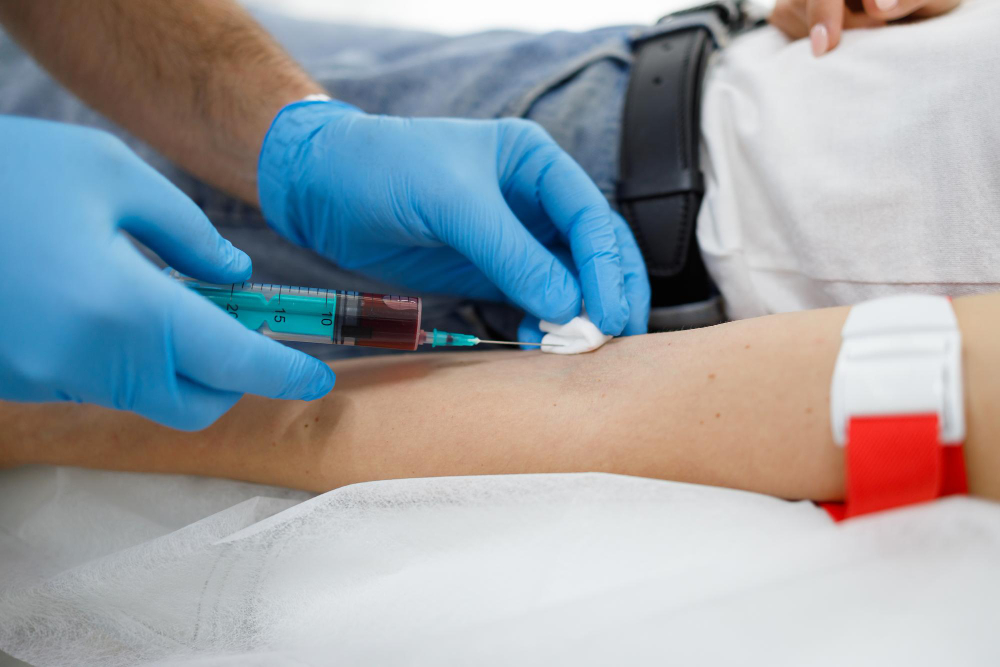
The amylase and lipase test is simple. First, a healthcare worker will clean your arm. Next, they will use a small needle to take a blood sample. The process usually takes only a few minutes. Afterward, your blood goes to a lab for testing. Most people feel only a quick pinch. You can return to your normal activities right after the test.
How to Prepare for the Tests
Usually, you do not need to do much to prepare for an amylase and lipase test. However, your doctor may ask you to:
Always follow your doctor’s instructions. If you have questions, ask before your test.
Understanding Your Results
After the test, your doctor will explain your amylase and lipase test results. Normal levels mean your pancreas is likely healthy. However, high or low levels can mean something is wrong. For example, high amylase and lipase may show that your pancreas is swollen or hurt. Sometimes, low levels can also signal a problem. Your doctor will look at your results and your symptoms together. This helps them decide what to do next.
Possible Causes of Abnormal Results
There are several reasons why your amylase or lipase levels may be too high or too low. Some possible causes include:
Sometimes, medicines or other health issues can also affect your results. Therefore, it is important to talk with your doctor about what your results mean for you.
Next Steps After Testing
Once you get your amylase and lipase test results, your doctor will guide you. If your levels are normal, you may not need more tests. However, if your levels are high or low, your doctor may order more tests or scans. Sometimes, you may need treatment right away. In other cases, your doctor may watch your symptoms and test again later. Always follow your doctor’s advice for the best care.
Prevention and Lifestyle Tips
While you cannot prevent every pancreas problem, you can lower your risk. Here are some helpful tips:
These steps can help keep your pancreas and your whole body healthy.
When to Consult a Doctor
If you have belly pain, nausea, or other symptoms listed above, see a doctor soon. Early testing can help find problems before they get worse. Even if your symptoms are mild, it is better to be safe. Your doctor can decide if you need an amylase and lipase test or other care.
Consult a healthcare professional at Elite Diagnostics for personalized advice about amylase and lipase testing.